
Cursive Handwriting Is Making a Comeback—and How It Can Help Struggling Writers
AC
As schools across the country revisit cursive handwriting, the conversation often becomes emotional. Some view cursive as outdated. Others see it as essential.
From an occupational therapy perspective, this debate is asking the wrong question.
Cursive is not about nostalgia or academic rigor. For some children, it is a practical solution to a very real learning barrier.
The goal is not to replace printing or technology. The goal is to ensure children have access to a writing method that allows them to participate, learn, and express themselves without unnecessary struggle.
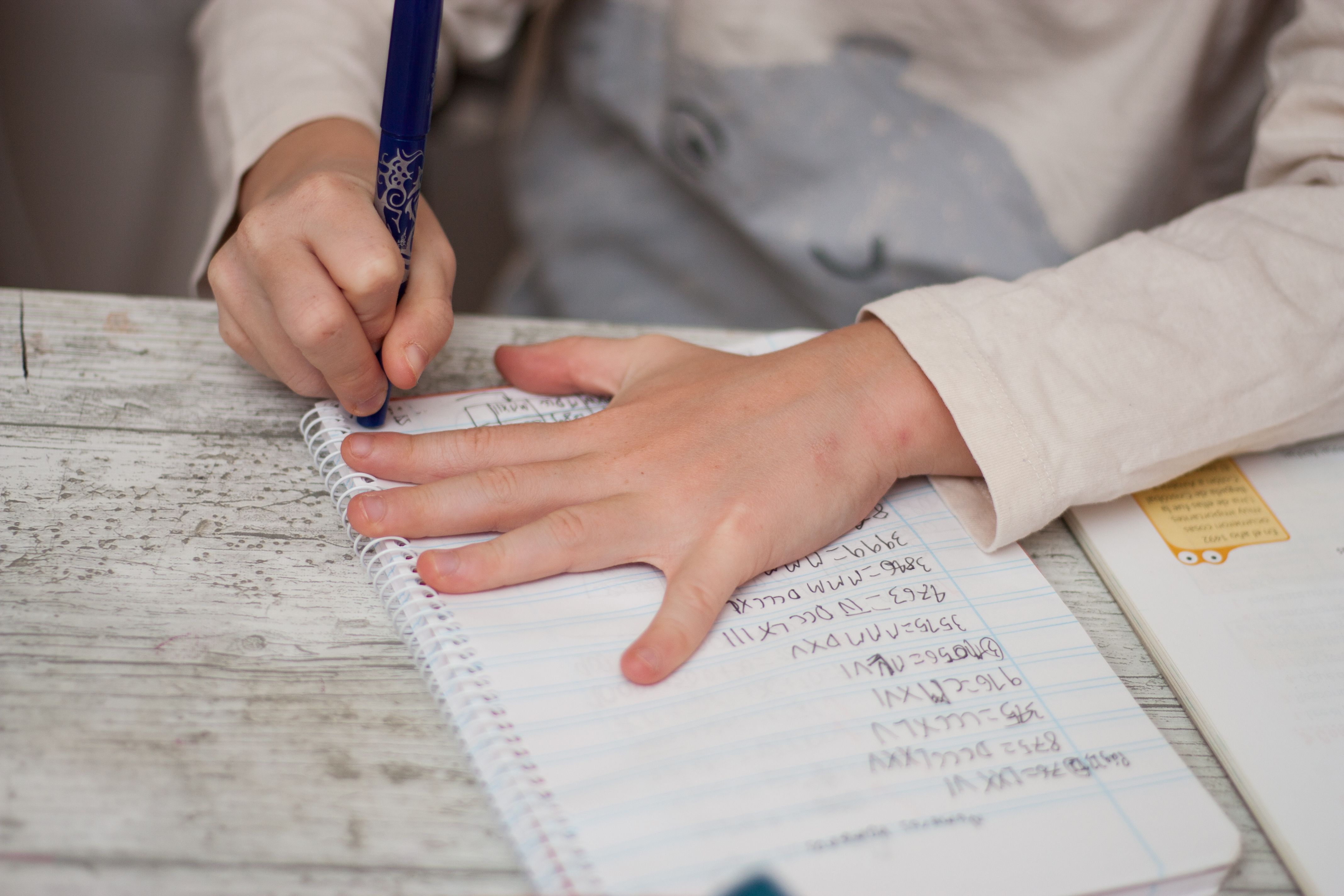
When Handwriting Becomes a Barrier
For many children, handwriting is one of the most demanding tasks of the school day. Common challenges include:
- Letter reversals (b/d, p/q)
- Inconsistent spacing between words
- Slow, effortful writing
- Hand fatigue
- Avoidance of written work
When so much energy is spent on forming letters, children often have little capacity left for spelling, sentence structure, or idea generation. Over time, this can affect academic performance, confidence, and classroom participation.
More practice alone does not always solve the problem. For some children, particularly those with differences in motor planning, attention, sensory processing, or written expression—printing may simply not be the most efficient fit.
This is often when occupational therapists explore whether cursive may better support the child's motor and cognitive needs.
For some children, cursive isn’t harder—it’s easier.
How Cursive Can Support Writing Development
1. Smoother Motor Flow
Printing requires frequent pencil lifts and restarts. Cursive uses continuous, flowing movements.
This can:
- Reduces motor planning demands
- Improves rhythm and endurance
- Decrease fatigue
Fewer interruptions in movement often means less frustration.
2. Reduced Letter Reversals
Cursive letters are formed in a consistent left-to-right direction and are visually distinct from one another.
For some children, this:
- Decreases confusion between similar letters
- Establishes clearer motor patterns
- Improves overall legibility
Children who struggle with persistent reversals in print often demonstrate improved consistency when cursive is introduced.
3. More Natural Spacing
Because cursive connects letters within words, spacing becomes more intuitive. Words are visually grouped together, reducing the cognitive effort required to organize written output.
This allows children to focus more on ideas rather than mechanics.
4. Increased Brain Engagement
Research has shown that cursive handwriting activates more areas of the brain related to memory, sequencing, and language development.
Writing is not just a motor task - it is a learning task.
When writing becomes easier, thinking often becomes clearer.
5. Improves Confidence
Perhaps the most meaningful benefit observed in occupational therapy practice is emotional.
When children who have struggled with printing transition to cursive and experience greater ease, writing often becomes less intimidating. Avoidance decreases. Participation increases.
In occupational therapy settings, clinicians frequently observe improvements not only in efficiency and legibility, but also in a child’s willingness to engage once the writing method works with their body and brain rather than against it.
The goal isn’t perfect handwriting. It’s functional communication.
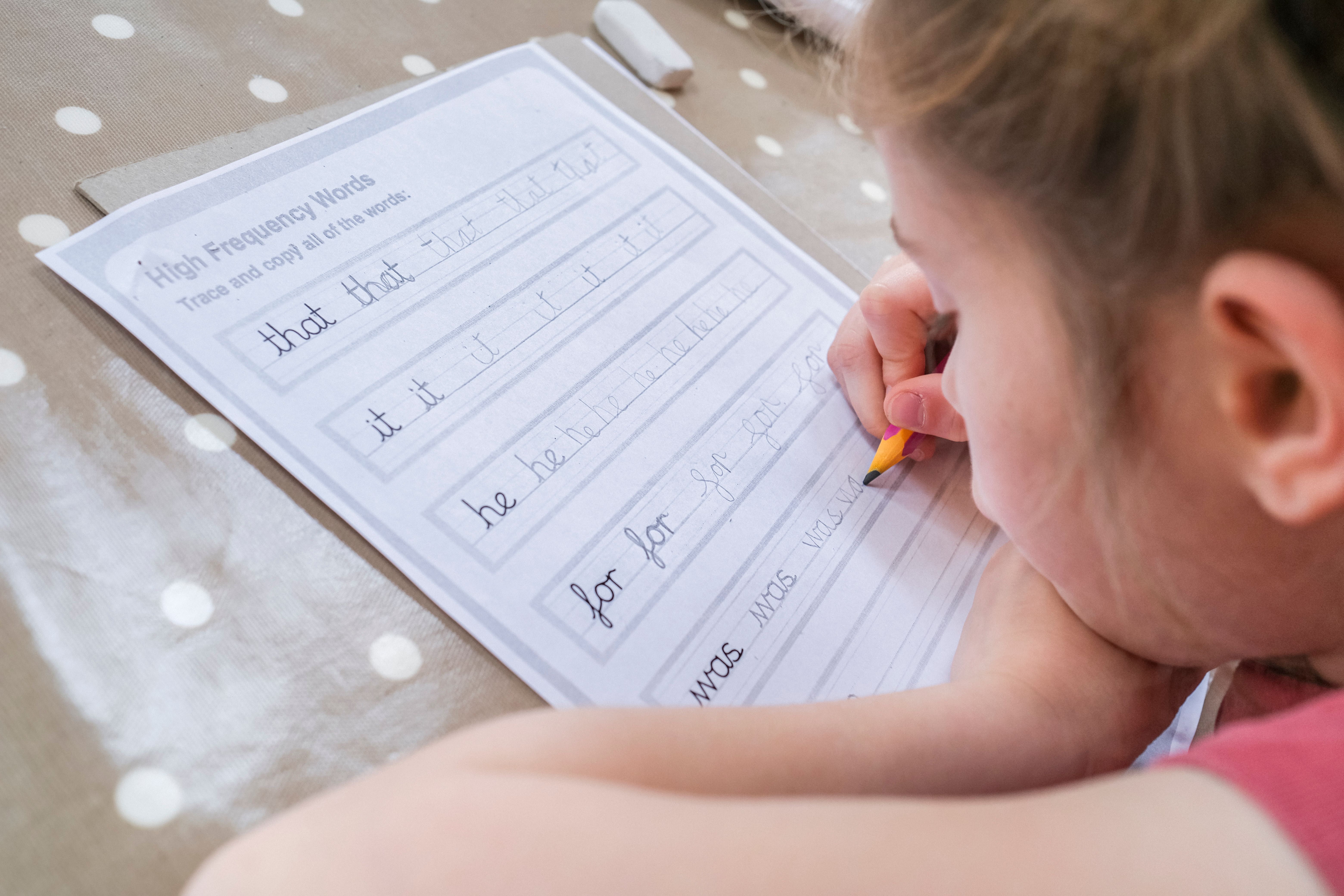
But What About Technology and AI?
From an occupational therapy perspective, the answer isn’t about rejecting technology. It’s about developing the skills that technology cannot replace. Handwriting, especially cursive, supports:
- Fine motor coordination – strengthening the small muscles of the hands and fingers
- Brain development – engaging areas of the brain connected to memory, sequencing, and learning
- Cognitive processing – helping children internalize spelling, grammar, and sentence structure
- Confidence and independence – building self-efficacy in a way that typing or AI cannot
Even in an AI-driven world, these foundational skills support thinking, learning, and expression. Technology can assist, but it can’t fully replace the developmental and functional benefits of handwriting.
Think of cursive not as an outdated skill, but as a tool that gives children options. When a child struggles to get their thoughts on paper, cursive can sometimes make the difference between frustration and success.
What Cursive Is—and What It Is Not
Cursive Is:
- A helpful tool for some learners
- An alternative when printing is inefficient
- Part of a flexible, child-centered approach
Cursive is not: - Necessary for every child
- A replacement for all writing styles
- Something that should be forced
The focus should always remain on access, participation, and function.The Occupational Therapy Lens
Occupational therapists evaluate more than how handwriting looks on the page. We consider:
- Motor coordination and endurance
- Visual-motor integration
- Sensory processing
- Cognitive load
- Emotional response to writing tasks
From this lens, the question is not “Should all children learn cursive?”
The better question is: “What writing method allows this child to succeed?”
Final Thoughts
The renewed interest in cursive handwriting reflects a deeper understanding of how children learn.
When schools, educators, and families remain flexible and responsive to individual needs, handwriting becomes a tool for learning—not an obstacle.
When writing works with a child’s brain and body, learning follows.
About the Author
Alicia Clark is a pediatric occupational therapist and founder of Faith and Function Pediatric Therapy. Her work focuses on helping children overcome functional barriers to learning, including handwriting, sensory regulation, and motor coordination. Through clinical practice and educational content, she advocates for practical, evidence-informed approaches that support both families and schools.